 +86-13761919721 / +86-13585804232 /



News
Contact Us
-

+86-13761919721
+86-13585804232 -

celine3489@gmail.com
celine3489@gmail.com
annyagi555@gmail.com
The Efficiency Gap: Why PU Composite Windows are Outperforming Aluminum
As global building codes shift towards "Net-Zero" standards, the structural and thermal limits of traditional materials are being challenged. While aluminum has dominated the high-end window market for decades, Fiberglass Reinforced Polyurethane (PU) composites are now setting a new benchmark, backed by extraordinary performance data.
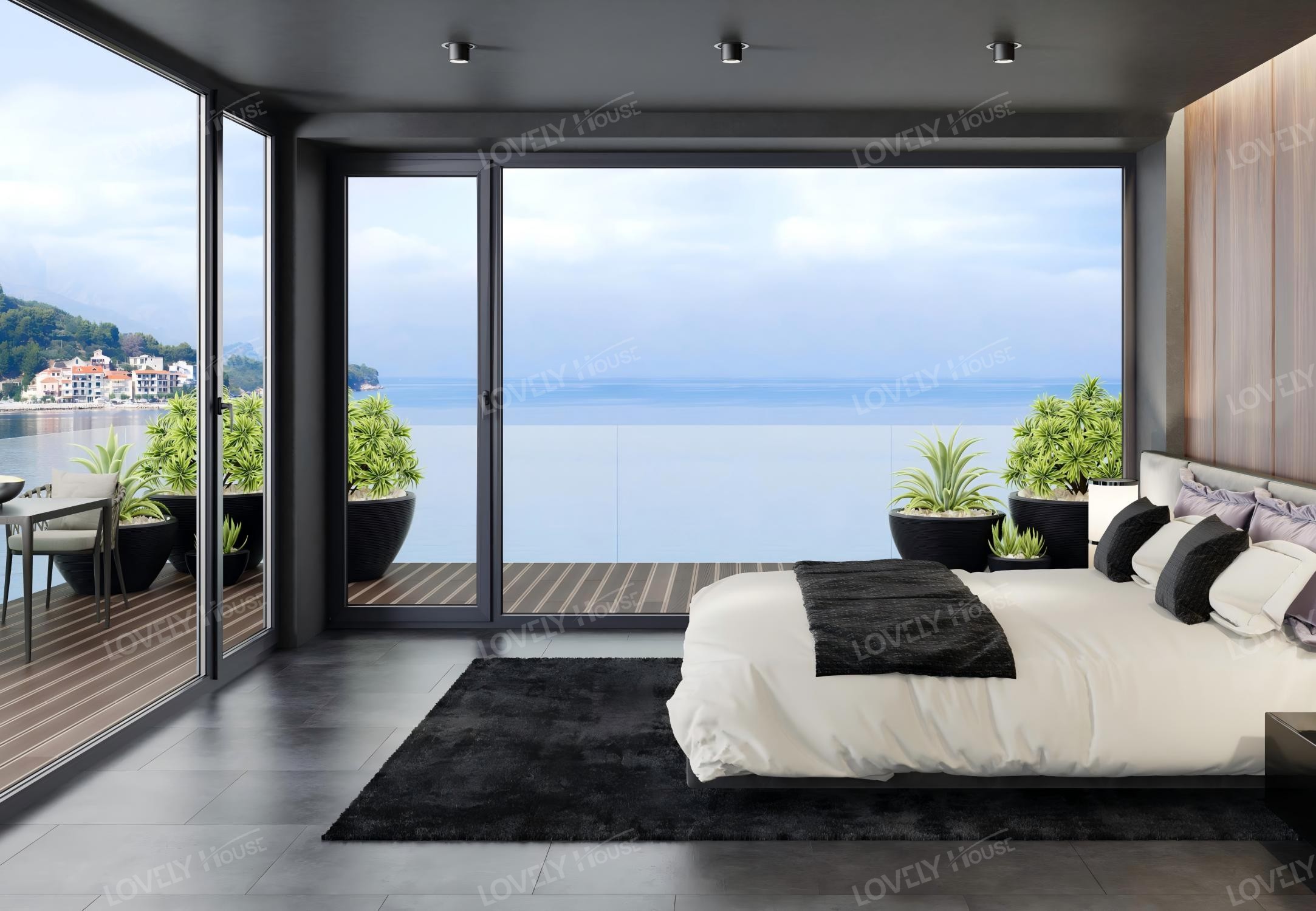
(PU door and window case from South Korea)
1. The Thermal Revolution: A Natural "Thermal Bridge"
The most significant "congenital deficiency" of aluminum is its high thermal conductivity.
Conductivity Comparison: Aluminum is a highly conductive metal with a thermal conductivity of approximately 160 W/(m·K). In sharp contrast, PU composite profiles feature a conductivity as low as 0.114 W/(m·K).
The Verdict: PU’s insulation performance is hundreds of times superior to aluminum. While aluminum requires complex "thermal break" inserts to prevent energy loss, PU is a natural insulator, significantly elevating a building's overall energy efficiency rating.
2. Unmatched Corrosion Resistance: Built for the Coast
In humid, acid rain, or high-salt-spray coastal environments, aluminum profiles are prone to oxidation and electrochemical corrosion, leading to surface degradation.
Durability Data: PU composite materials exhibit exceptional resistance to salt spray and chemical corrosion.
Service Life: While traditional frames may require costly maintenance, GFRPU windows boast a maintenance-free lifespan of over 30 years, with a design life extending beyond 50 years. This makes them the premier choice for luxury oceanfront properties, high-rise residences, and premium hotels.
3. Dimensional Stability: Perfect Synergy with Glass
Aluminum’s high coefficient of thermal expansion (~23×10⁻⁶/°C) often leads to frame deformation, whistling noises, or seal failure in regions with high temperature fluctuations.
The PU Advantage: PU composite profiles have a thermal expansion coefficient as low as 0.5×10⁻⁵/°C, which is remarkably close to that of glass.
The Verdict: This synchronicity ensures that the frame and glass expand and contract at the same rate, maintaining superior airtightness and structural integrity for decades, regardless of intense solar heat or freezing winters.
4. Extreme Structural Strength
While aluminum is strong, the "thermal break" design required for insulation often compromises its overall structural continuity.
Bending Strength: Engineered through a precision pultrusion process, PU composite profiles can achieve a bending strength of up to 1,442 MPa.
High-Rise Ready: This extreme rigidity allows GFRPU profiles to easily meet the stringent wind-pressure resistance requirements for super high-rise curtain walls and safety-rated windows.
5. Total Life-Cycle Value (TCO)
When evaluating the "Total Cost of Ownership," the argument for GFRPU becomes even more compelling.
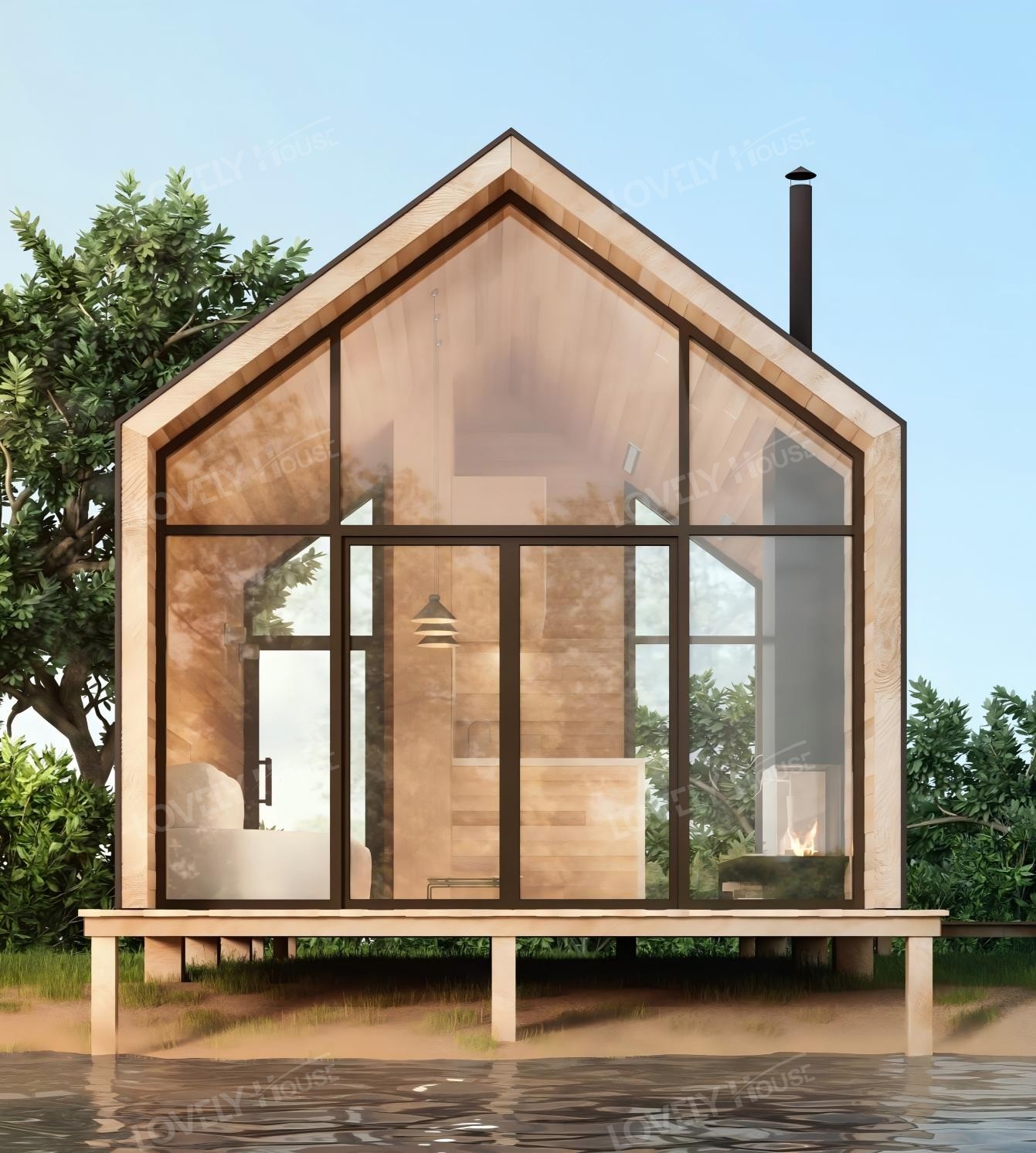
composite window profiles
Maintenance vs. Energy: Although aluminum is recyclable, its high maintenance costs (especially in coastal areas) and the energy leakage caused by its conductivity create a long-term financial burden.
Investment Return: Despite a potentially higher initial cost, GFRPU’s 50-70 year maintenance-free life, combined with massive energy savings and a reduced carbon footprint, ensures a significantly higher return on investment over the building's lifecycle.
Aluminum alloy windows, due to their mature manufacturing process and recyclability, will remain the mainstream choice in the short term. However, in the high-end markets such as those pursuing ultra-low energy consumption (passive buildings), coastal or extreme climate buildings, and those with extremely high durability requirements, the PU composite material window profiles with high strength, high insulation, and high weather resistance have become an indispensable and forward-looking solution.