 +86-13761919721 / +86-13585804232 /


News
Contact Us
-

+86-13761919721
+86-13585804232 -

celine3489@gmail.com
celine3489@gmail.com
annyagi555@gmail.com
The Future of Composite Windows: How GFRPU is Redefining the Global Building Envelope
The global construction industry is at a critical crossroads. As nations commit to ambitious "Net-Zero" carbon targets and "Passive House" standards, the demand for high-performance building materials has never been higher. Among all emerging technologies, Fiberglass Reinforced Polyurethane (GFRPU) pultrusion is positioned to become the dominant force in the next generation of window and door systems.
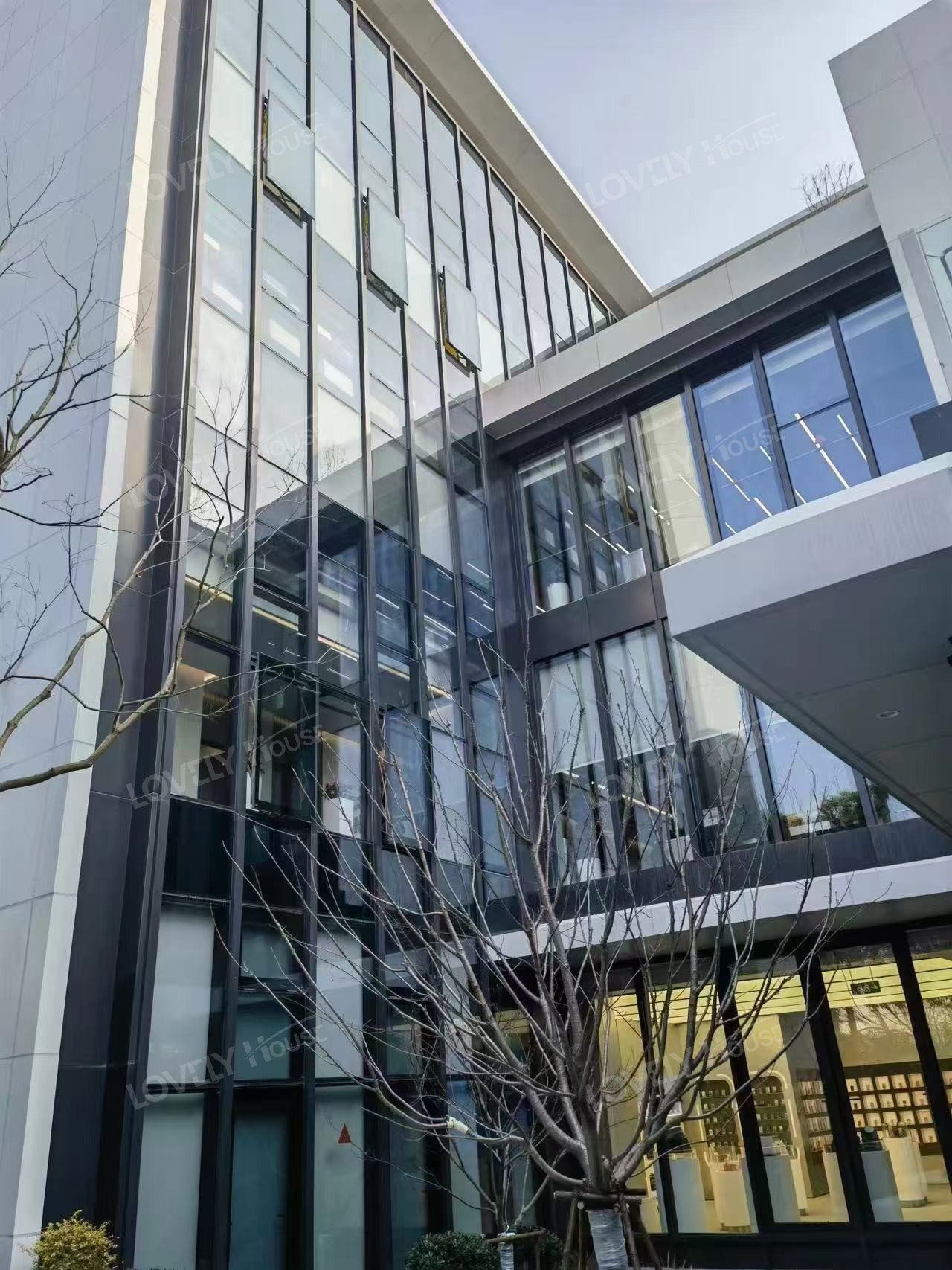
1. Driving the "Net-Zero" Architecture Revolution
The most significant driver for the future of GFRPU is the global shift toward ultra-low energy buildings.
Thermal Breakthroughs: Traditional materials like aluminum have reached their physical limits in thermal insulation. With a thermal conductivity of only 0.114 W/(m·K), GFRPU is no longer just a premium option—it is becoming a regulatory necessity for architects aiming to meet the rigorous energy codes of 2030 and beyond.
Carbon Footprint: The life-cycle carbon footprint of GFRPU—from low-energy pultrusion manufacturing to decades of energy savings—aligns perfectly with the "Green Building" ESG (Environmental, Social, and Governance) goals of major developers.
2. Automation and the Path to Cost Parity
One of the most exciting trends in the future of composite windows is the industrialization of the pultrusion process.
Higher Production Speeds: New generations of polyurethane resins allow for pulling speeds that are 200% to 300% faster than traditional composites.
Scalability: As production volume increases and automation in CNC cutting and assembly matures, the "price gap" between GFRPU and high-end thermal-break aluminum is narrowing. Within the next decade, GFRPU is expected to achieve cost parity, making it accessible not just for luxury villas, but for mass-market residential projects.
3. "Smart" and Multi-Functional Integration
The future of GFRPU windows extends beyond simple frames; they are becoming integrated technology platforms.
Advanced Surface Engineering: Future GFRPU profiles will feature bio-based coatings and "cool-roof" reflective technologies that further reduce solar heat gain.
Invisible Tech: Because GFRPU is non-conductive and transparent to radio frequencies, it is the ideal material for integrating "hidden" smart home components, such as built-in 5G signal boosters, hidden security sensors, and integrated solar-shading controls that do not interfere with wireless signals.
4. Urban Resilience and Extreme Weather Adaptability
As climate change leads to more frequent extreme weather events, the resilience of GFRPU will be a key selling point.
Storm-Proofing: With a bending strength of 1,442 MPa, GFRPU windows are uniquely suited for the "Super High-Rise" era, where wind loads at 300+ meters require materials that won't buckle or leak.
Longevity: In a future where "disposable" building components are phased out, GFRPU’s 50-70 year maintenance-free lifespan will become the benchmark for sustainable urban development.
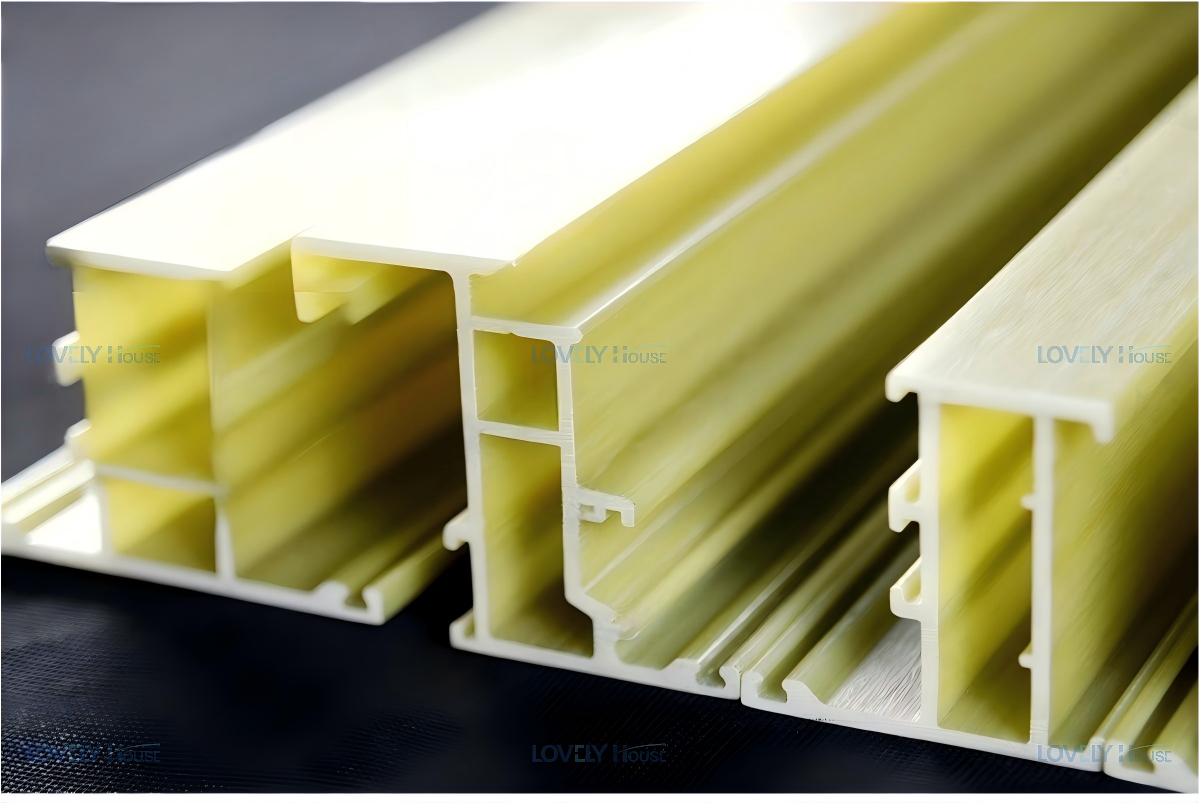
The era of the "Metal Frame" is slowly giving way to the era of the "Structural Insulator." GFRPU composite windows represent more than just a material upgrade; they are a fundamental shift toward building envelopes that are smarter, stronger, and significantly greener.