 +86-13761919721 / +86-13585804232 /



News
Contact Us
-

+86-13761919721
+86-13585804232 -

celine3489@gmail.com
celine3489@gmail.com
annyagi555@gmail.com
Don’t Mix Them Up! Key Differences Between FRP and FRPU Profiles
In the field of composite profiles, FRP and FRPU are often confused due to their similar names. Simply put, FRPU is an upgraded high-end version of FRP. The core difference lies in the resin matrix: FRP mostly adopts polyester/epoxy resin, while FRPU uses polyurethane (PU) resin. This fundamental upgrade brings an all-round leap in strength, thermal insulation and weather resistance, making it especially suitable for high-end energy-saving buildings and harsh working conditions.
1. Core Definition: Different Matrix, Essential Difference
FRP Profile (Fiberglass Reinforced Plastic)
Full name: Fiber Reinforced Plastic.
Composition: Made of glass fiber + thermosetting resin (mainly unsaturated polyester / epoxy resin), formed by pultrusion, compression molding and other processes.
Positioning: A general-grade composite material with high cost performance, widely used in industrial anti-corrosion and ordinary structural parts.
2.5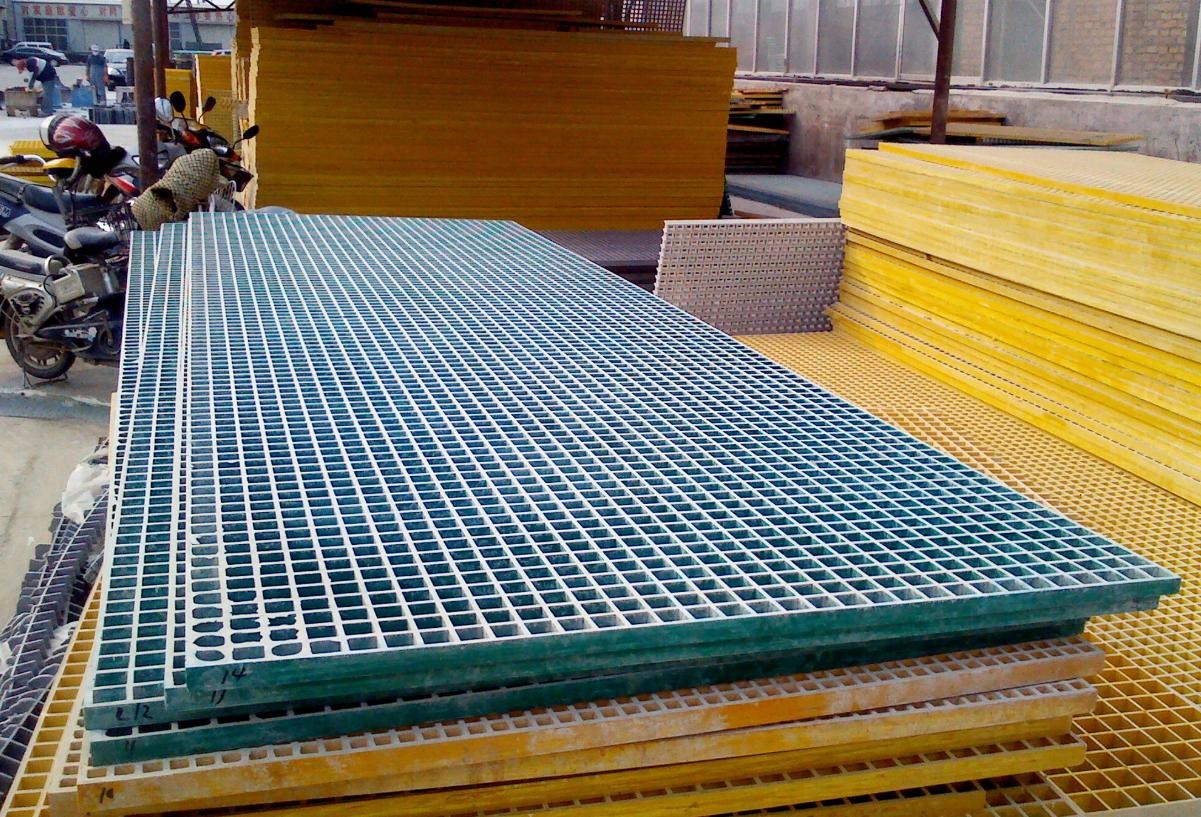
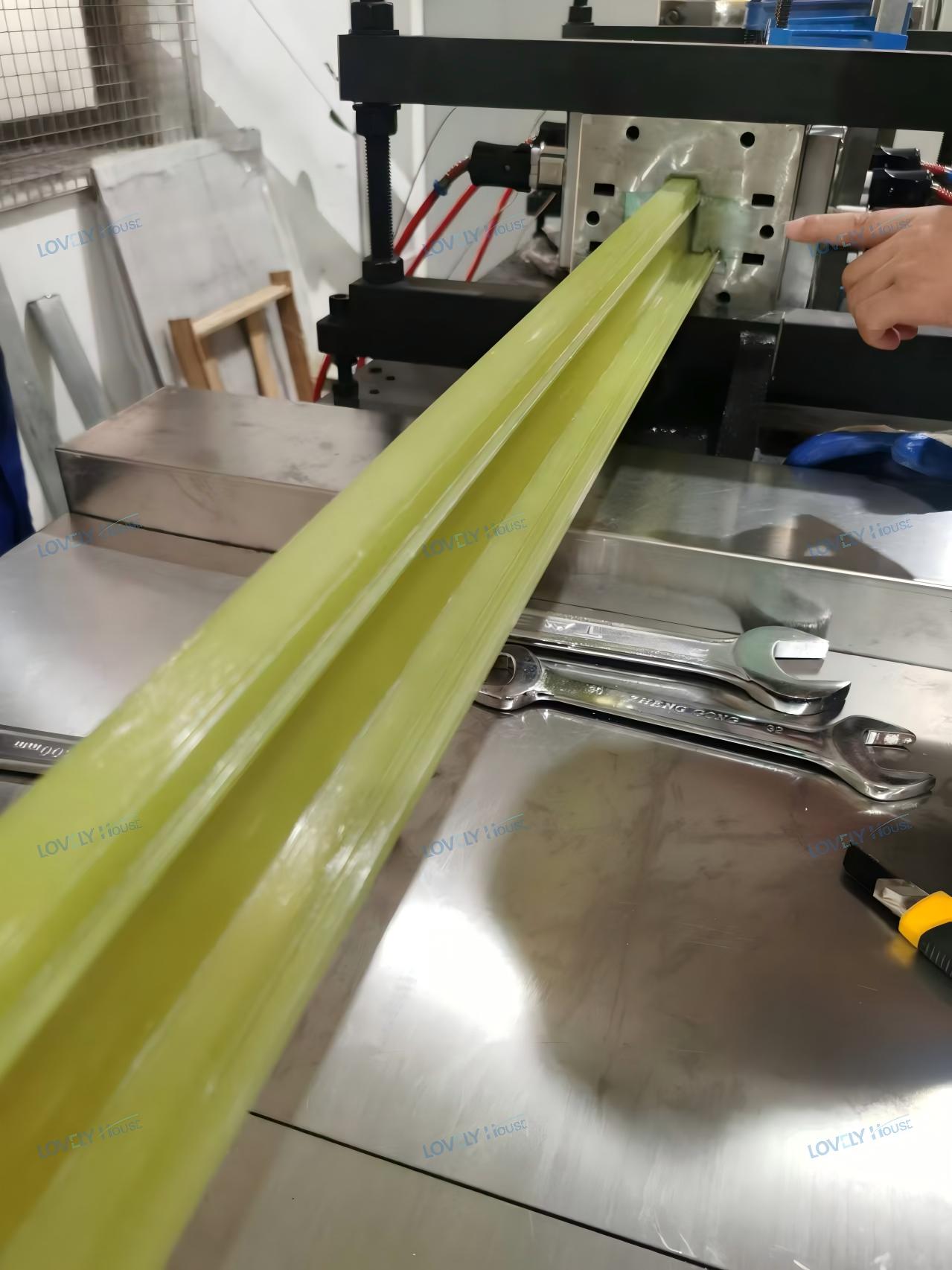
FRPU Profile (Glass Fiber Reinforced Polyurethane)
Full name: Glass Fiber Reinforced Polyurethane.
Composition: Made of glass fiber + polyurethane (PU) resin via special pultrusion technology, with deep integration of fiber and PU resin.
Positioning: High-end energy-saving composite material, comparable to high-grade metal in performance, featuring high strength, ultra-low thermal conductivity and ultra-long service life.
2. Five Core Differences
2.1 Resin Matrix: Ordinary Resin vs High-end PU Resin
FRP: Based on unsaturated polyester / epoxy resin, low cost and wide application, but with average toughness and interfacial adhesion.
FRPU: Based on polyurethane (PU) resin, featuring stable molecular structure, extremely strong bonding force with glass fiber and no delamination risk.
2.2 Mechanical Performance: Basic Strength vs Ultra-high Strength & High Toughness
| Performance Index | FRP Profile | FRPU Profile | Superior Option |
| Bending Strength | 300-600MPa | 1200-1500MPa (4-6 times of aluminum) | FRPU |
| Tensile Strength | 600-1000MPa | 800-1200MPa | FRPU |
| Toughness | Brittle, easy to crack under impact | High toughness, impact resistant and not easy to break | FRPU |
| Structural Stability | Requires steel lining reinforcement | Inherent high strength, no steel lining needed | FRPU |
2.3 Thermal Insulation: Regular Insulation vs Passive House Grade Ultra-low Thermal Conductivity
FRP: Thermal conductivity 0.25-0.40 W/(m·K). Better insulation than metal, but fails to meet ultra-low energy consumption standards.
FRPU: Thermal conductivity only 0.11-0.12 W/(m·K), less than 1/1300 of aluminum alloy. The overall window heat transfer coefficient can be as low as 0.65 W/(m²·K), perfectly applicable to passive houses and nearly zero-energy buildings.
2.4 Weather Resistance & Service Life: 15-25 Years vs 50+ Years Maintenance-free
FRP: Resistant to acid, alkali and salt spray. Outdoor service life is 15-25 years, prone to aging and fading in long-term humid and hot environment.
FRPU: Excellent weather resistance, UV resistance, aging resistance, acid/alkali/salt spray/seawater corrosion resistance. Outdoor service life exceeds 50 years with maintenance-free performance, no fading and no deformation.
2.5 Cost & Application: Cost-effective General Type vs High-end Energy-saving Special Type
FRP: Low cost, suitable for conventional anti-corrosion, insulation and load-bearing scenarios, such as chemical workshop guardrails, power insulating ladders, ordinary doors and windows, photovoltaic brackets.
FRPU: Relatively high cost, dedicated to high-end energy-saving construction and harsh working conditions, such as passive house doors and windows, coastal high-wind pressure curtain walls, chemical anti-corrosion structural parts, high-end rail transit interior decoration.
3 Practical Tips to Distinguish Quickly
Appearance Observation: FRP has a relatively rough surface and tends to darken over time; FRPU features fine and smooth surface with uniform color and no fading in long-term use.
Weight & Hand Feel: Under the same specification, FRPU has slightly higher density with a solid hand feel and better toughness, not easy to break when bent.
Parameter Check: Refer to thermal conductivity and bending strength. Products with thermal conductivity below 0.2 W/(m·K) and bending strength over 1000MPa are definitely FRPU profiles.
4. Selection Suggestion: Choose Reasonably to Avoid Pitfalls
✅ Choose FRP: Limited budget, conventional anti-corrosion/insulation scenarios, non-energy-saving buildings, service life of 10-20 years.
✅ Choose FRPU: High-end energy-saving buildings (passive house / nearly zero-energy building), coastal/chemical heavy corrosion environment, long-span & high wind pressure structures, projects requiring 50+ years long-term maintenance-free service.
Summary
FRP and FRPU are not substitutive but complementary in positioning. FRP is the cost-performance king in general composite materials, while FRPU is the performance ceiling in high-end building materials.The core gap originates from the upgrade of resin matrix, achieving comprehensive improvement in thermal insulation, strength and weather resistance. When selecting profiles, you only need to focus on three key factors: budget, working condition and energy-saving requirements to make an accurate choice.